Pain
Pain in itself is a very interesting phenomenon because if one looks into the pain instead of trying to run away from it, avoid it or cover it up, if one goes straight into the pain—either emotional pain or physical pain—then in itself, because it is so intense, it can become a profound object of concentration. For example, one time when I was living in the cave, I was chopping wood and my axe slipped and nearly cut my thumb off! Since I was living in the cave there wasn’t much I could do about it, so I simply bound the thumb close to the hand with a khata—one of those white Tibetan scarves. Then I sat down, and since it was extremely painful I thought, “What to do?” Well, it was a wonderful object of meditation, so compelling! So I sat and I observed the pain.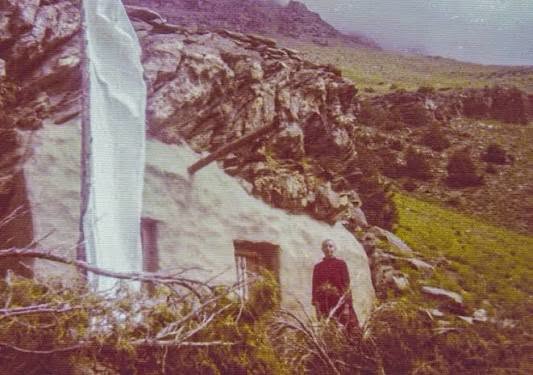
Now, pain is so interesting when we just look at it in a relaxed manner. Don’t worry about it but just relax and watch. This pain, it comes in waves, it’s not a solid block. When we really look, it swells and then it goes down and it swells and recedes, and to my mind it was like an orchestra playing a symphony: we have the violins and the strings and then add the trumpets. Then the percussions join in there are all the different instruments playing together. Sometimes a crescendo of trumpets and then the violins would take over followed by drums: stabbing pains, aching pains, tearing pains, all types of pains, so many different kinds of sensations, all creating this incredible symphony! As I watched this happen, the idea of pain didn’t arise, it was just pure sensations. Then as I looked at these sensations as they rose and fell, rose and fell, not me or mine, they became transparent and behind the noise of the pain was this empty silence. It was a very profound meditation at the time.
Source: https://tenzinpalmo.com/archive/transcripts/mindfulness/feelings/
From a teaching on the Four Foundations of Mindfulness: Mindfulness of Feelings, now available in the Jetsunma Tenzin Palmo Archive